
The battle for beauty loyalty: Retailers vs brands in Southeast Asia
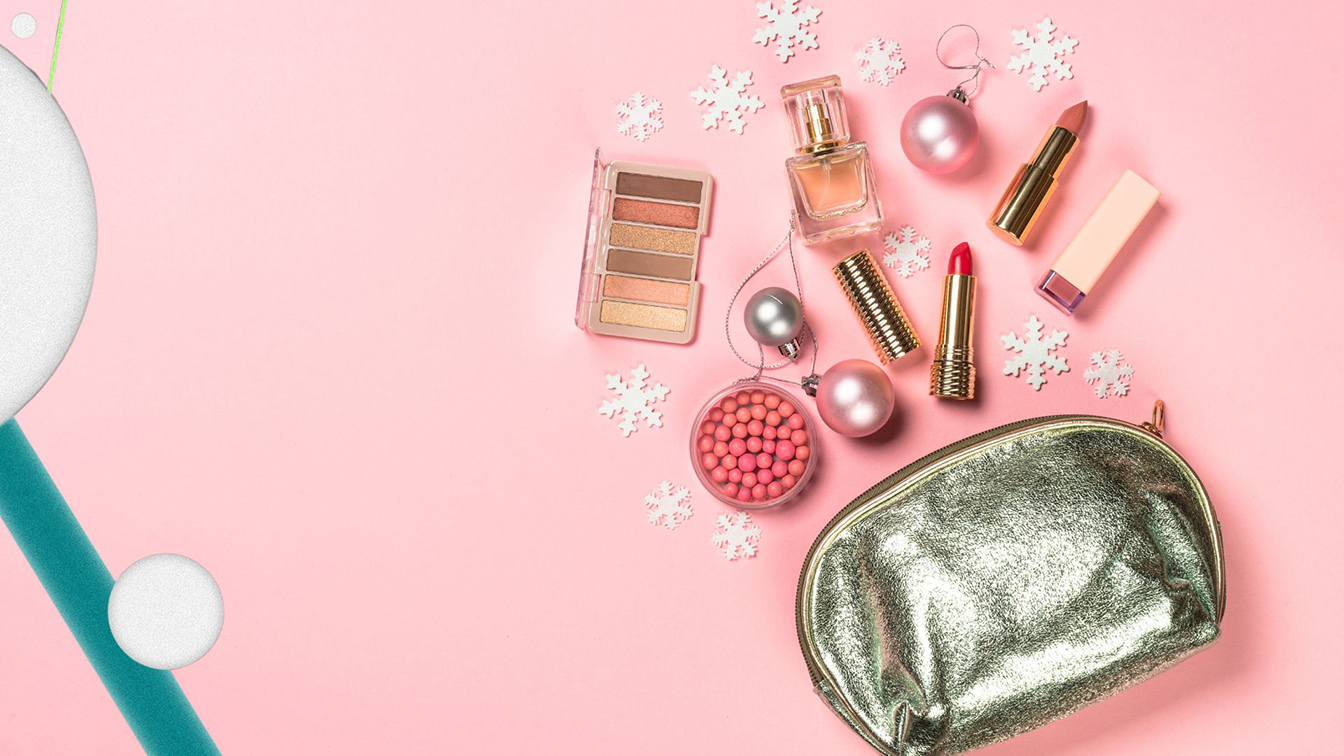
In today’s beauty landscape, a curious question is reshaping how brands think about loyalty: Are consumers loyal to their favourite lipstick, or to the store that sells it? Here, Thajchapong Rujeraprapa, Strategy and CX Design Director at Merkle, dentsu Thailand, and Xin Yee Chow, Associate Director, Growth at Merkle, dentsu Singapore, dive into the issue.
At first glance, the answer may seem obvious. Surely, loyalty lies with the product – the formula that flatters, the colour that completes the look, but dig deeper into evolving beauty behaviours, and a more nuanced reality emerges. Consumers are increasingly loyal to the experience, not just the brand. This shift is redefining how beauty brands compete, build connections, the meaning of loyalty in a world where discovery is just a swipe or scroll away.
Retailers vs individual brands: A battle for relevance
In Southeast Asia, the beauty market is experiencing a tug-of-war between retailers like Sephora in Singapore, Beautrium in Thailand, SHINS in Malaysia, and individual brands selling directly to consumers. Across the region, retailers have captured a large share of online sales, driven by frequent promotions, the convenience of one-stop shopping, and loyalty rewards.
For emerging and independent brands, this presents a double-edged sword. Retailers may offer unparalleled reach and exposure, but at a cost as brands often sacrifice control over storytelling, user data, and the overall customer journey.
Meanwhile, on the retailer’s digital shelf, a lipstick is not a brand – it is one SKU among thousands. How then does a brand stand out when consumers are shopping the trend, not the name?
The answer lies in creating emotional and identity-driven value that transcends the product itself. Because in a world where the store is the influencer, brands need to offer more than just pigmentation – they need purpose, presence, and point of view.
The changing face of beauty loyalty
Today’s beauty consumers, especially Gen Z and younger Millennials, do not think in terms of “my brand.” They think in terms of “my ritual,” “my look,” “my community.”
Loyalty is no longer a long-term contract. It is a choice made anew every moment. A lipstick that went viral on TikTok last week may be swapped for a dupe the next. A trusted brand might be passed over if it does not align with a consumer’s values or if the algorithm surfaces something newer, bolder, or more inclusive.
We are seeing a shift from brand loyalty to behavior loyalty. Consumers are loyal to their ten-step skincare routine, or their post-gym hydration ritual. The products that support those rituals earn repeated use, not necessarily because of brand affinity, but because of functional or emotional resonance.
So… what does loyalty really mean now?
If loyalty is not about the brand, the product, or even the store, what is it about?
Loyalty today is multi-dimensional:
• Platform loyalty: “I shop where the experience is seamless and the curation is trusted.”
• Product loyalty: “I rebuy what works, until something better (or cheaper) comes along.”
• Creator loyalty: “I trust the influencers who align with my identity and values.”
• Community loyalty: “I follow what people like me are loving – and leaving behind.”
This complex web of loyalties means that brands can no longer rely on traditional retention tactics like points programs or subscriptions alone. Loyalty is not a static state. It is a daily decision made in a fluid, fast-moving marketplace.
To win, brands must earn that decision again and again.
Loyalty is an ecosystem, not a funnel
Consumers are telling us exactly what they care about: authenticity, inclusivity, personalisation, utility. The question is, are brands listening?
To compete in the age of retailers, beauty brands must rethink engagement strategies:
1. From points to purpose
Traditional points-based programs are no longer sufficient. Modern consumers seek brands that reflect their values and identity. A shopper may buy a lipstick from a brand that aligns with their self-expression, ethical beliefs, or aesthetic preferences, while still purchasing skincare or everyday items from platforms offering the best price.
2. Channel-specific engagement
Loyalty must be nurtured across all touchpoints. In Southeast Asia, a customer might:
• Discover a product on Instagram or TikTok
• Interact with the brand via LINE, WhatsApp, or Messenger
• Complete a purchase on the brand’s website
Ensuring a coherent and rewarding experience across all channels is critical. Brands that connect content, communication, and commerce seamlessly are better positioned to retain and convert customers.
3. Community as the new loyalty program
Perhaps the most powerful driver of loyalty is community. Brands that cultivate belonging – where customers can share tips, celebrate looks, and connect with like-minded peers – create a retention tool no discount can match. Social commerce and interactive content help foster engagement beyond the transaction, turning customers into advocates and brand champions.
The bottom line: Loyalty, value and confidence
For individual beauty brands across Southeast Asia, the goal is to offer what retailers cannot: personalised experiences, authentic engagement, and a brand world that fosters identity, community, and trust. Those that successfully navigate this split in consumer psychology – balancing value, resonance, and confidence – will not only survive, but thrive.
Because ultimately, the most powerful form of loyalty does not live in a loyalty program. It lives in the mirror, the makeup bag, and the daily moments of self-expression.
Note: This piece reflects general market observations and opinions for informational purposes only. It is not intended as, and should not be relied on as, definitive market research, advice, or an endorsement of any company or product.